Africa
Interesting Information
History & Culture
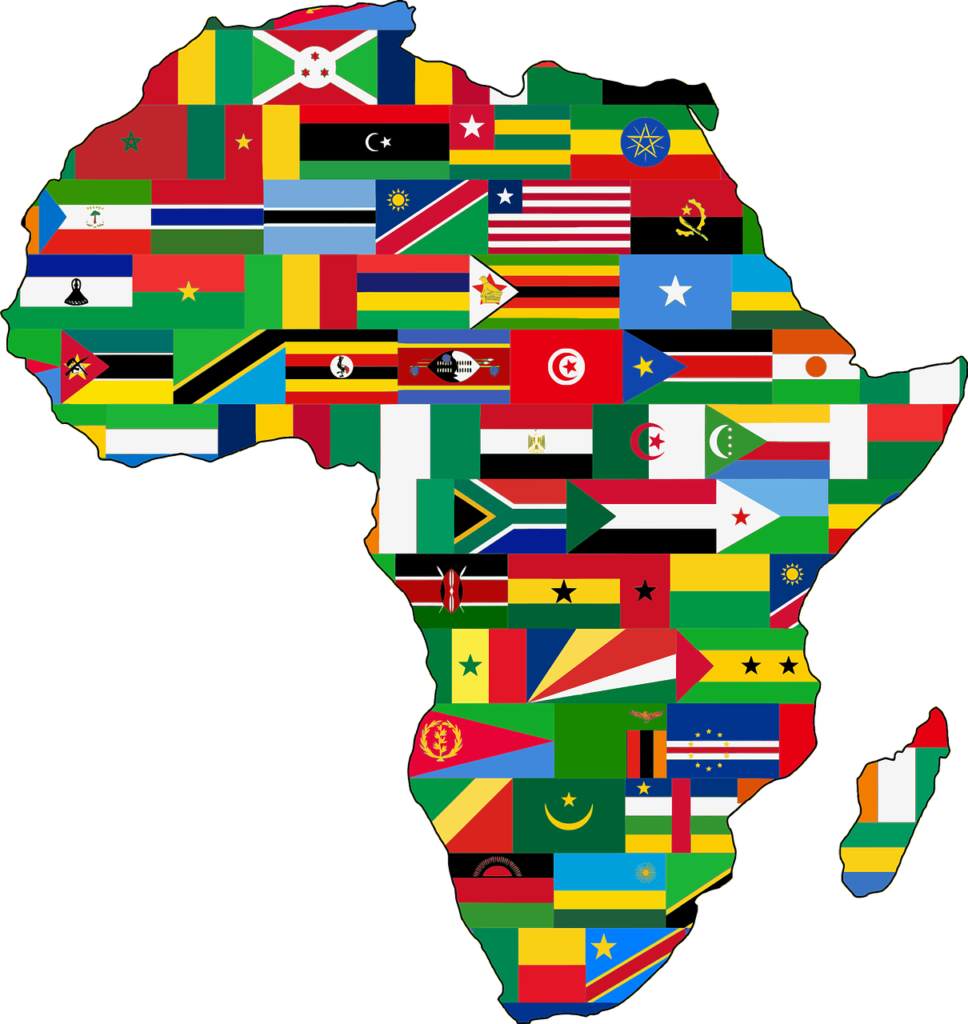
Africa is often called the “cradle of humankind” because some of the earliest evidence of human life has been found here, including fossils millions of years old. For thousands of years, powerful kingdoms and civilizations flourished across the continent, including Ancient Egypt along the Nile, Carthage in North Africa, the Kingdom of Aksum in present-day Ethiopia, Great Zimbabwe in Southern Africa, and the empires of Ghana, Mali, and Songhai in West Africa. These civilizations contributed advancements in art, science, trade, and governance that influenced the wider world.
The arrival of European powers in the fifteenth century brought centuries of colonization, the transatlantic slave trade, and eventually the “Scramble for Africa” in the nineteenth century, when European nations divided nearly the entire continent. In the mid-twentieth century, African nations began to gain independence, shaping modern Africa as a diverse continent of over fifty countries. Today, Africa’s cultures reflect both ancient traditions and modern innovation, expressed in its music, literature, fashion, and art.
Population & Language
Africa is home to more than 1.4 billion people, making it the second most populous continent after Asia. Nigeria, Ethiopia, Egypt, and the Democratic Republic of Congo are among the most populated countries. Africa is also the youngest continent, with a median age under 20 years.
The continent is incredibly diverse linguistically, with more than 2,000 languages spoken. The most widely spoken Indigenous languages include Swahili, Hausa, Yoruba, Amharic, and Zulu. Due to colonization, European languages such as English, French, Portuguese, Spanish, and Arabic are also widely used as official or national languages. This blend of Indigenous and colonial languages makes Africa one of the most linguistically complex regions in the world.
Geography & Climate
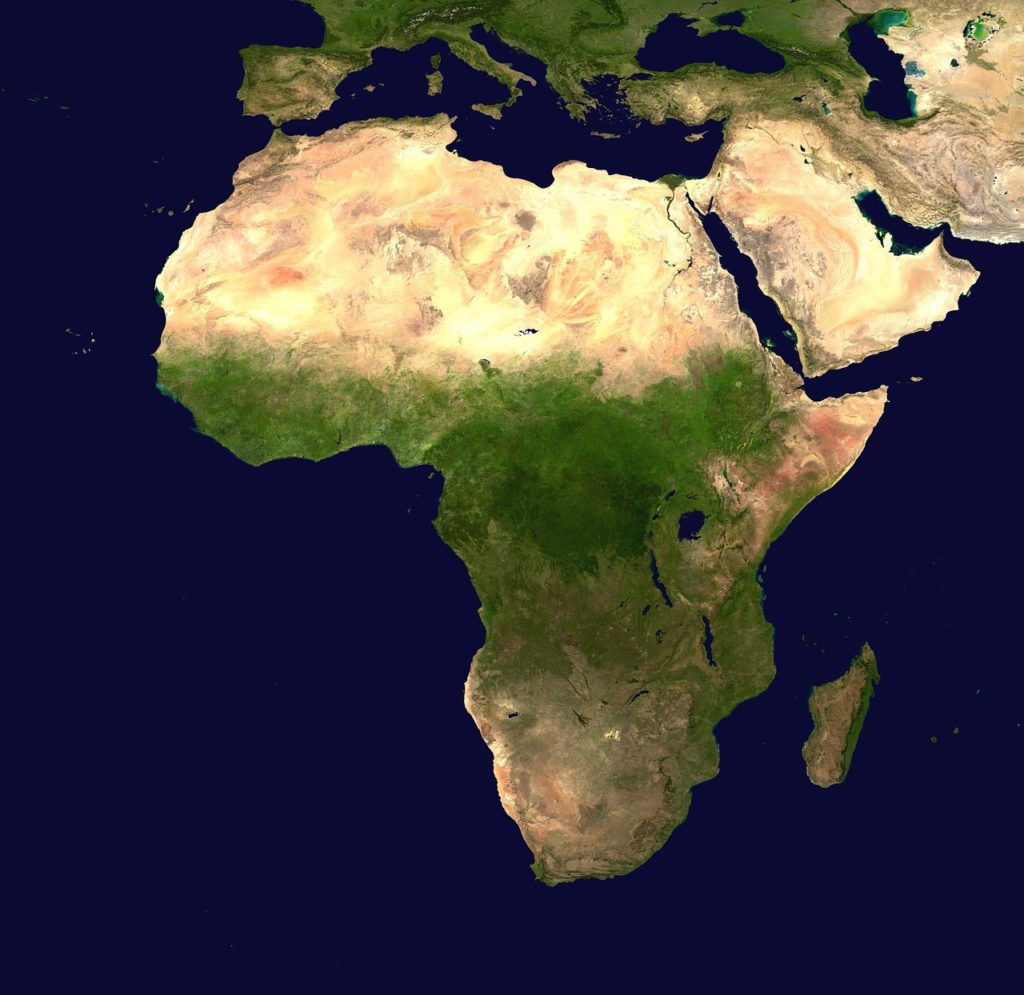
Africa is the second largest continent, covering over 11.7 million square miles. Its landscapes range from the vast Sahara Desert in the north to the tropical rainforests of Central Africa and the savannas of the Serengeti. The continent is bounded by the Mediterranean Sea to the north, the Atlantic Ocean to the west, the Indian Ocean to the east, and the Red Sea to the northeast. Mount Kilimanjaro in Tanzania is Africa’s highest peak, while the Nile River, stretching more than 4,000 miles, is the longest river in the world.
The continent’s climate is just as varied as its geography. Northern Africa is dominated by arid desert, while Central Africa experiences a hot, humid tropical climate. East Africa has both savannas and temperate highlands, while Southern Africa features deserts, Mediterranean-like coasts, and cooler mountain regions. Africa is also home to unique ecosystems such as the Congo Basin rainforest and the Okavango Delta in Botswana.
Top Tourist Destinations
Pyramids of Giza, Egypt
Victoria Falls, Zambia/Zimbabwe
Serengeti National Park, Tanzania
Table Mountain, South Africa
Sahara Desert, Morocco/Tunisia
Mount Kilimanjaro, Tanzania
Cape Town, South Africa
Marrakech, Morocco
Kruger National Park, South Africa
Zanzibar, Tanzania
Most Populated Cities
Cairo, Egypt
Kinshasa, DRC
Lagos, Nigeria
Luanda, Angloa
Dar es Salaam, Tanzania
Khartoum, Sudan
Johannesburg, South Africa
Abidjan, Cote d'Ivoire
Alexandria, Egypt
Addis Ababa, Ethiopia
Where do you want to go?
North Africa
West Africa
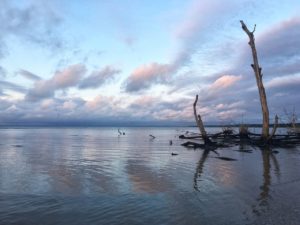
Central Africa
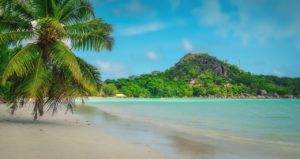
East Africa
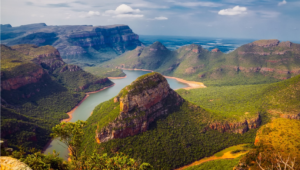
South Africa
Where is it?