Canada
Interesting Information
History & Culture
Canada has been inhabited for thousands of years by Indigenous peoples, including the First Nations, Inuit, and Métis, each with their own distinct cultures, languages, and traditions. European exploration began in the late fifteenth and early sixteenth centuries, first by the Norse and later by French and English explorers. France established colonies along the St. Lawrence River, while Britain expanded its presence after the seventeenth century.
Following conflicts such as the Seven Years’ War, Britain gained control of much of what is now Canada, though French culture remained strong, particularly in Quebec. Canada gradually evolved from a collection of British colonies into a self-governing dominion with Confederation in 1867, eventually becoming fully sovereign in 1982 with the patriation of the constitution.
Today, Canada is celebrated for its cultural diversity, bilingual heritage, and strong Indigenous presence. Its history is marked by cooperation and challenges between different groups, creating a modern nation known for multiculturalism, political stability, and a commitment to democratic values.
Population & Language
Canada has a population of just under 40 million people, making it one of the most sparsely populated countries in the world due to its vast land area. Most Canadians live in cities along the southern border near the United States, where the climate is more temperate and access to trade and industry is easier.
English and French are Canada’s two official languages, reflecting its colonial history. English is most widely spoken across the provinces and territories, while French is dominant in Quebec and parts of New Brunswick, Ontario, and Manitoba. In addition, Indigenous languages such as Cree, Inuktitut, and Ojibwe continue to be spoken and are increasingly supported through preservation efforts. Canada’s population is highly multicultural, with immigrants from Europe, Asia, Africa, and Latin America adding to its linguistic and cultural diversity.
Geography & Climate
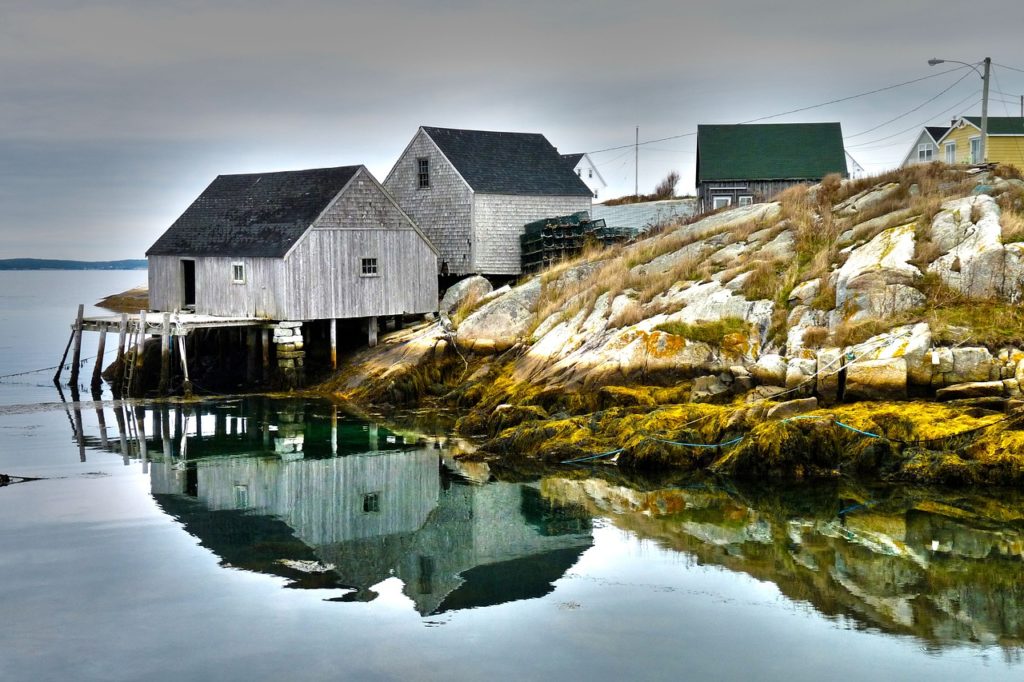
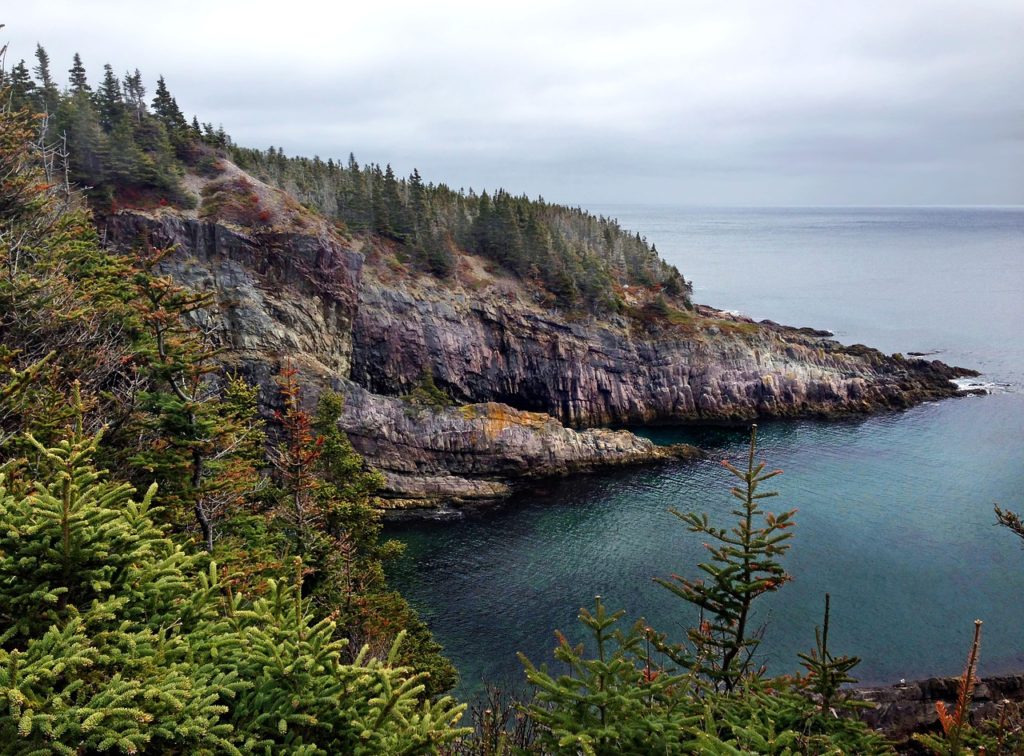
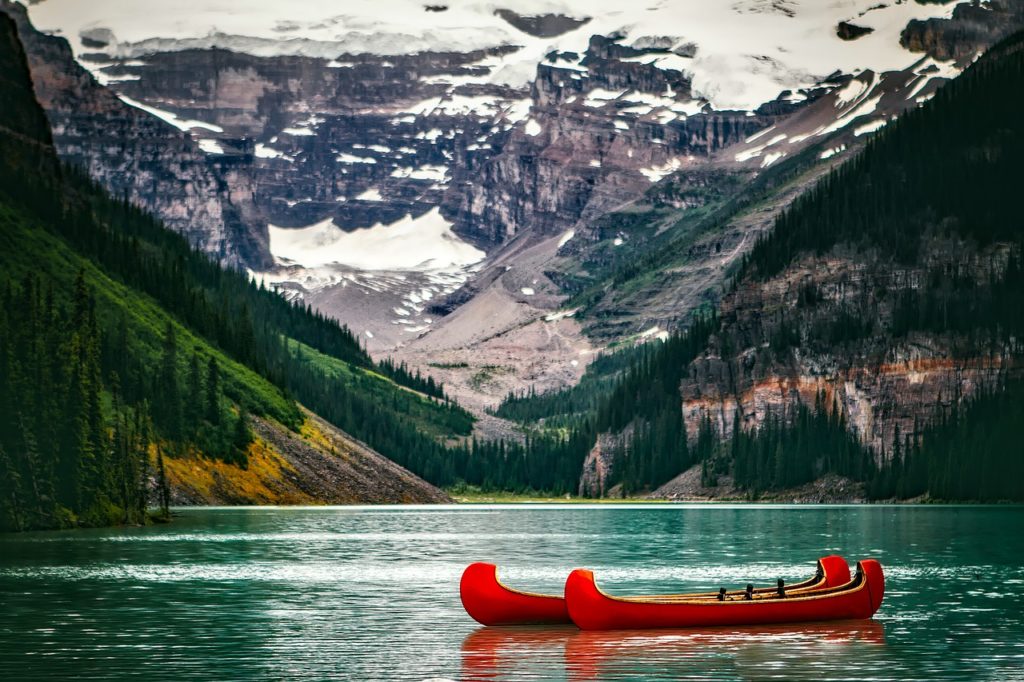
Canada is the second largest country in the world, covering nearly 3.9 million square miles from the Atlantic Ocean in the east to the Pacific Ocean in the west and the Arctic Ocean in the north. Its landscapes include towering mountain ranges such as the Rockies, expansive prairies, vast forests, and tundra. Canada also has more freshwater lakes than any other country, including the Great Lakes shared with the United States.
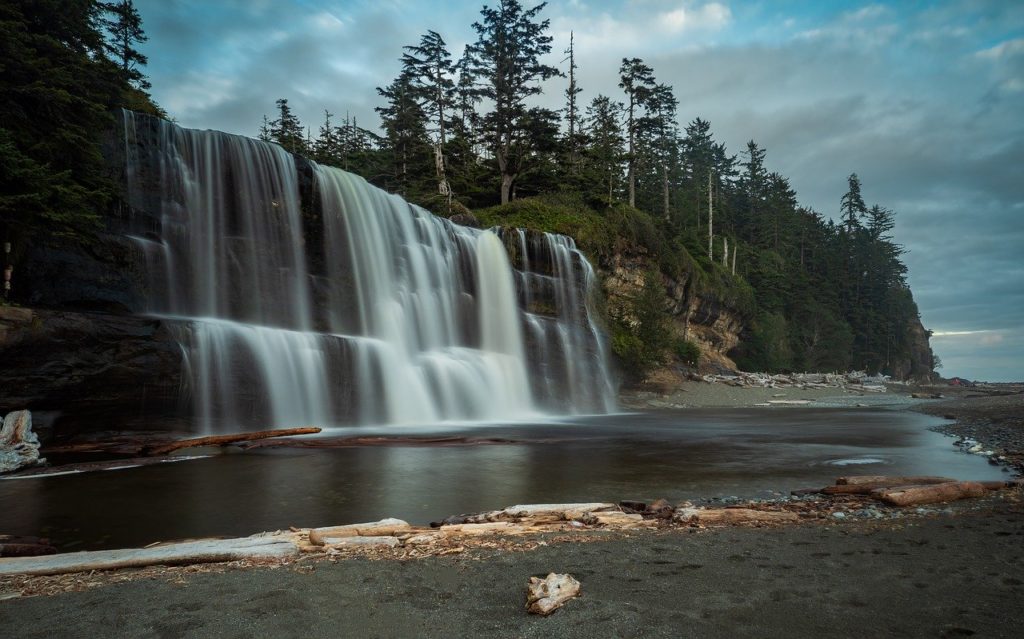
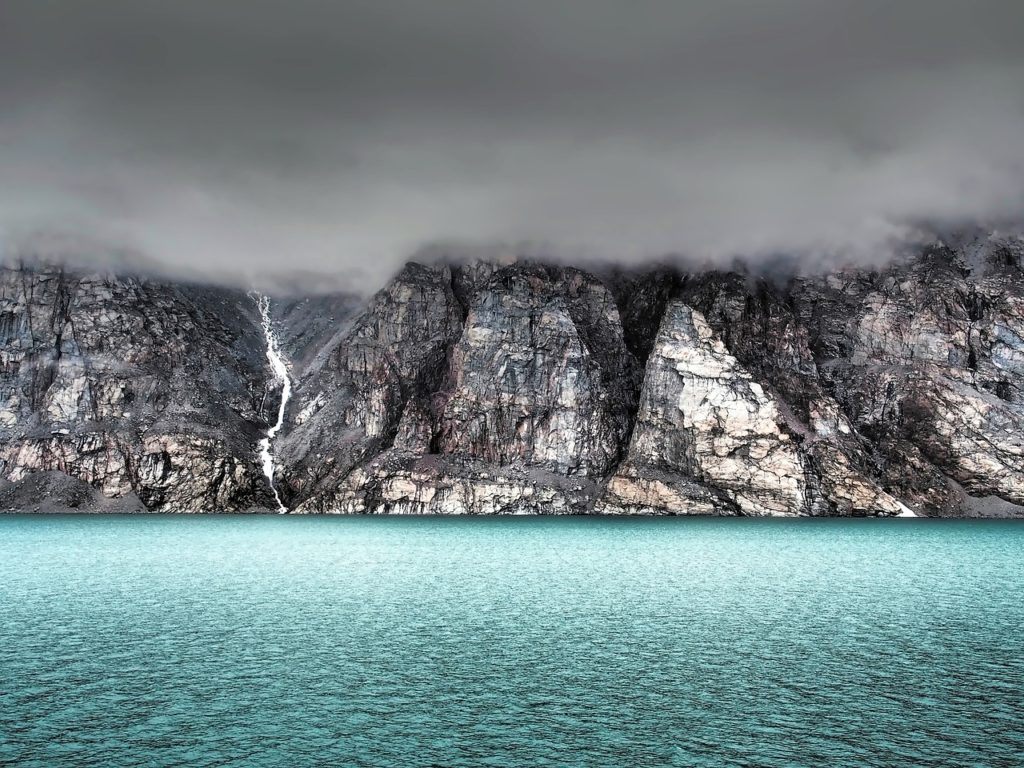
The climate varies widely. Northern Canada is dominated by Arctic conditions, with long, cold winters and short, cool summers. Central and southern Canada experience cold winters and warm summers, with the prairies known for their extremes of temperature. Coastal regions such as British Columbia have milder, wetter climates. These variations in geography and climate shape both the natural environment and patterns of human settlement.
Top Tourist Attractions
Niagara Falls, Ontario
Banff National Park, Alberta
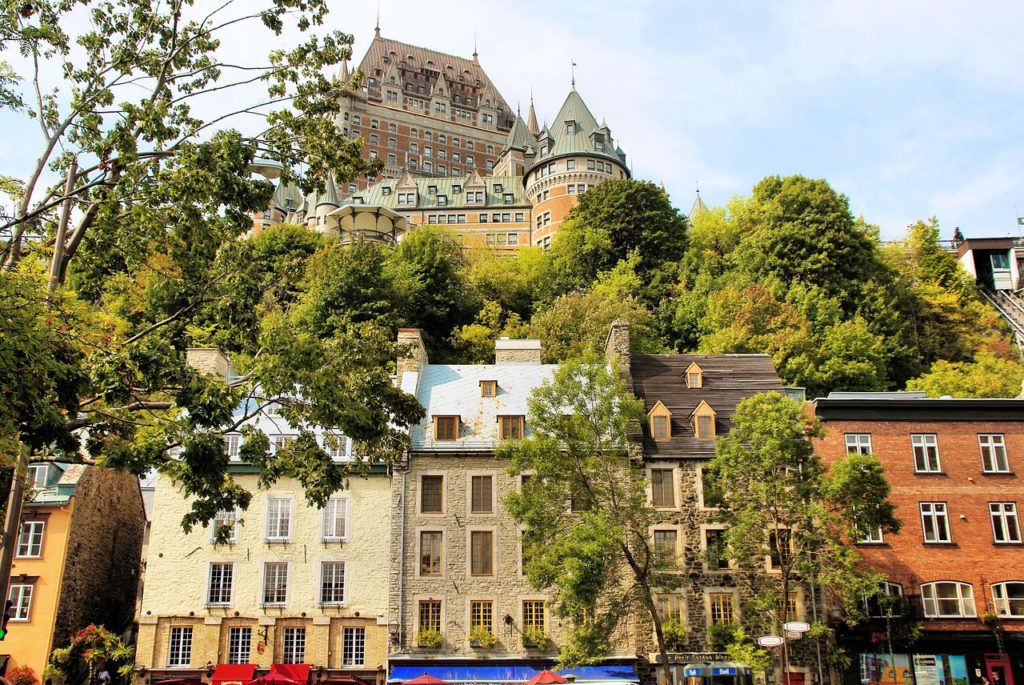
Old Quebec City, Quebec
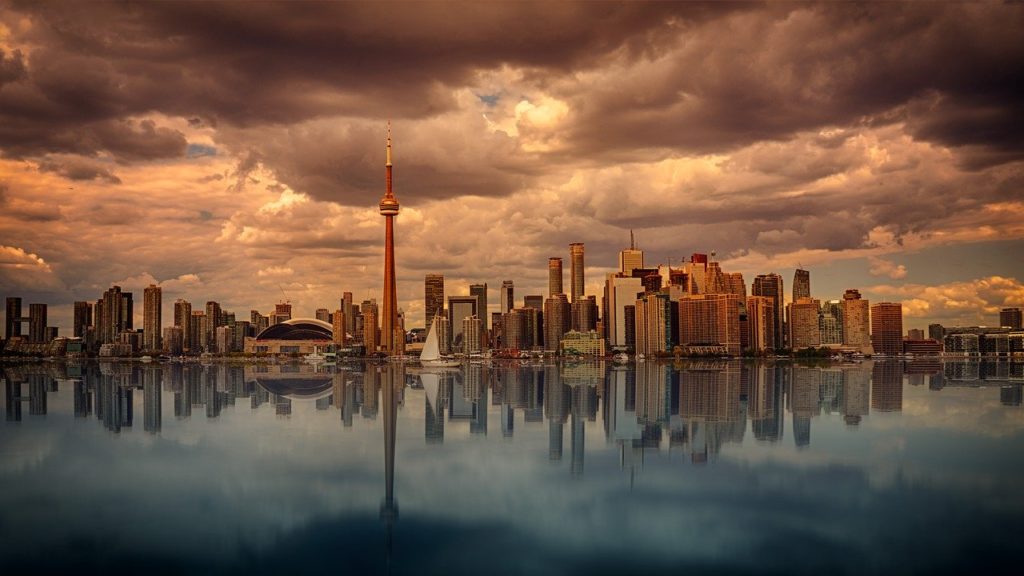
CN Tower, Toronto
Vancouver and Stanley Park, British Columbia
Parliament Hill, Ottawa
Jasper National Park, Alberta
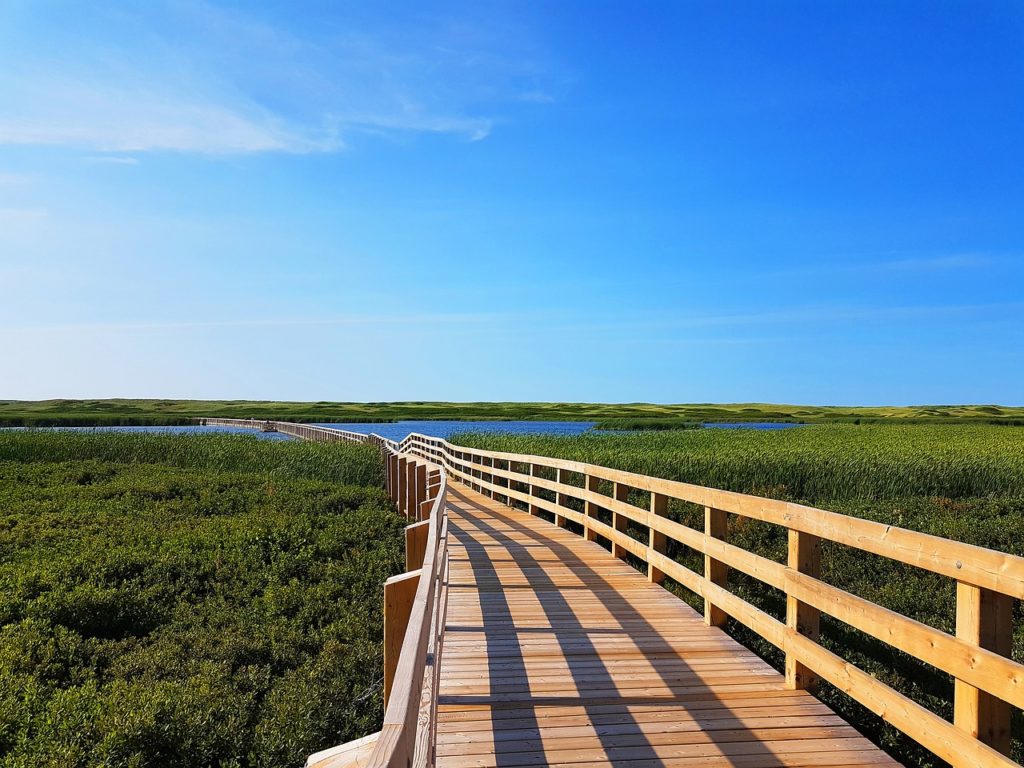
Prince Edward Island
Bay of Fundy, New Brunswick/Nova Scotia
Whistler Blackcomb Ski Resort
Most Populated Cities
Toronto, Ontario
Montreal, Quebec
Calgary, Alberta
Ottawa, Ontario
Edmonton, Alberta
Mississauga< Ontario
Winnipeg, Manitoba
Vancouver, British Columbia
Brampton, Ontario
Hamilton, Ontario
Where is it?