North America
Interesting Information
History & Culture
North America has been inhabited for tens of thousands of years, with Indigenous peoples building diverse societies long before European contact. From the Mayan and Aztec civilizations in present-day Mexico and Central America to the great mound builders of the Mississippi Valley and the Inuit communities of the Arctic, the continent has always been home to rich and varied cultures.
European exploration and colonization began in the fifteenth and sixteenth centuries, as Spanish, French, English, Portuguese, and Dutch explorers laid claim to different parts of the land. Colonization reshaped the continent through settlement, trade, and conflict, profoundly impacting Indigenous populations. Over time, independent nations emerged, with the United States, Canada, and Mexico becoming the three largest and most influential. Today, North America is defined by cultural diversity, blending Indigenous traditions with European, African, and Asian influences to create unique national identities across the continent.
Population
North America is home to approximately 600 million people, making it the third most populated continent after Asia and Africa. The United States and Mexico have the largest populations, followed by Canada. English, Spanish, and French are the most widely spoken languages, though Indigenous languages such as Navajo, Quechua, Inuktitut, and Mayan dialects remain vital to many communities. Migration has added further diversity, bringing languages from Asia, the Middle East, and beyond.
The continent is a place where multiple identities coexist. Spanish dominates in Mexico, much of Central America, and parts of the Caribbean. English is the main language of the United States and Canada, while French is central to Quebec and Haiti. In addition, millions of people continue to preserve their Indigenous languages, ensuring that North America’s linguistic map remains as varied as its people.
Geography & Climate
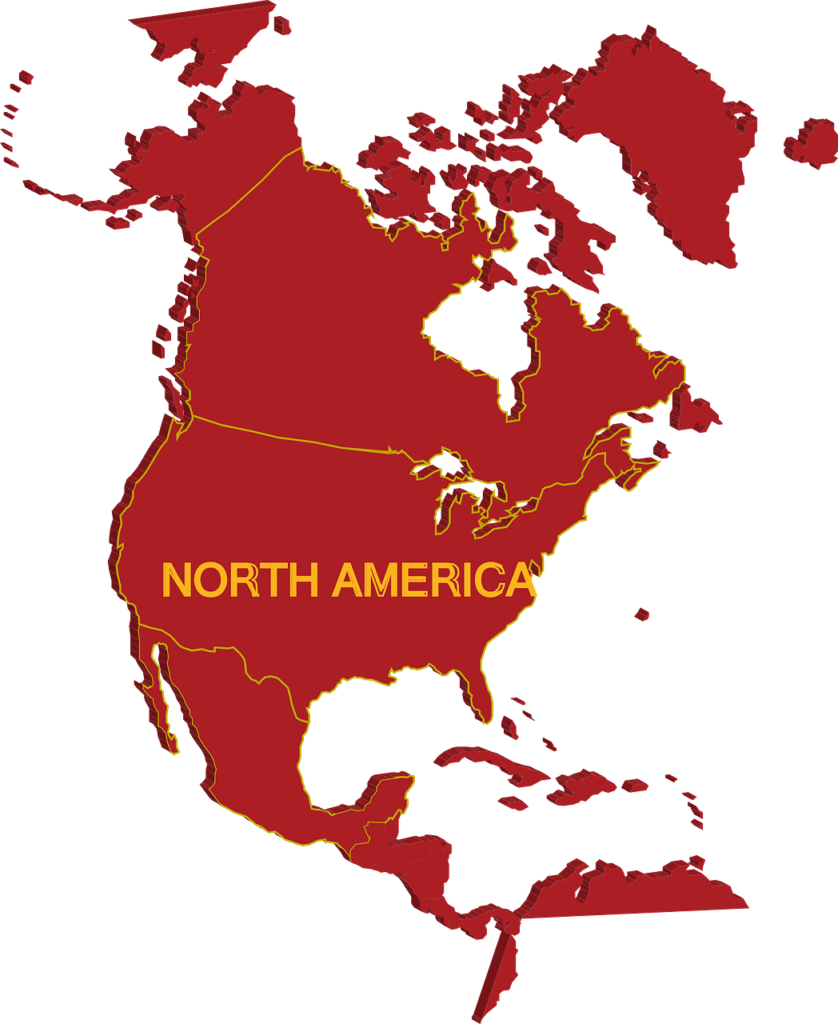
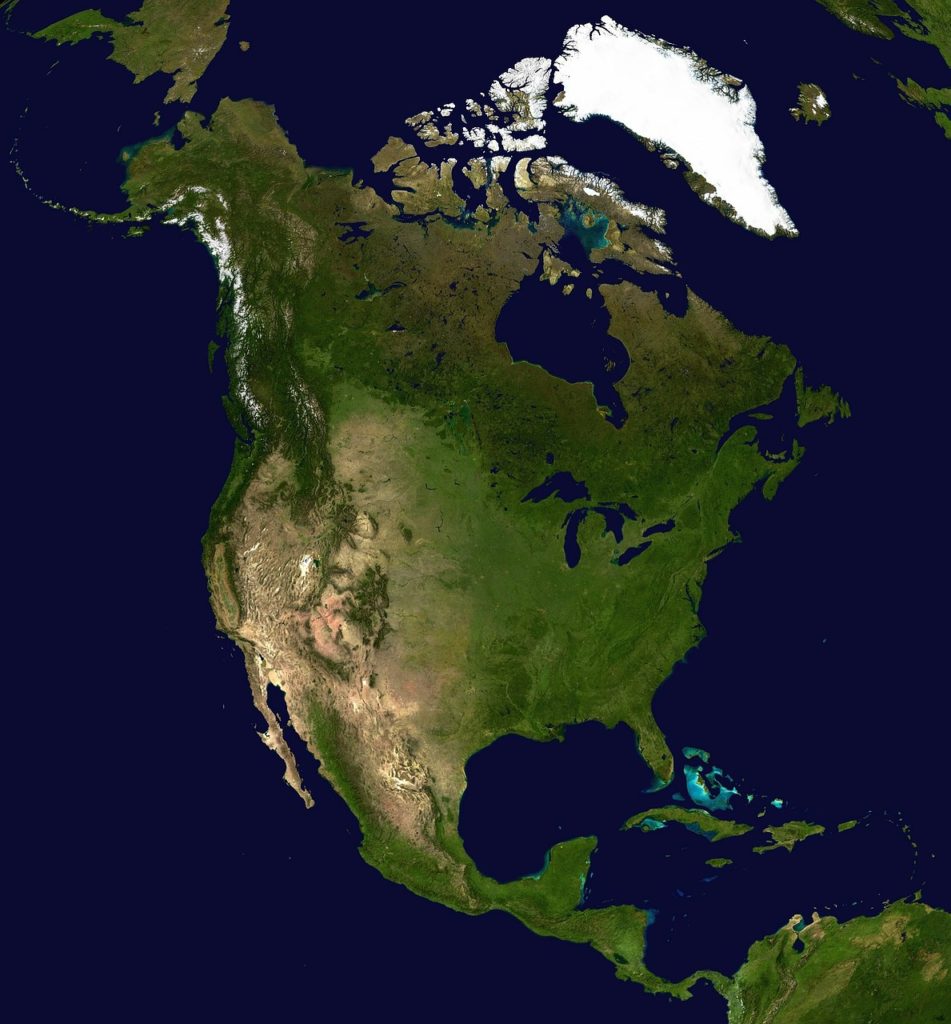
North America is the third largest continent, covering nearly 9.5 million square miles. Its geography is remarkably varied, from the frozen tundra of the Arctic to the tropical rainforests of Central America. The Rocky Mountains stretch down the western side of the continent, while the Appalachian Mountains line much of the east. The Great Plains form the central heartland, and vast river systems such as the Mississippi, St. Lawrence, and Rio Grande provide lifelines across the land.
The continent’s climate ranges from Arctic cold in the far north to tropical heat in the Caribbean and Central America. Canada and much of the northern United States experience long, snowy winters, while the South enjoys hot, humid summers. The deserts of Mexico and the American Southwest contrast with the lush rainforests of Central America. Hurricanes regularly affect the Caribbean and Gulf Coast, while earthquakes and volcanoes are more common along the Pacific Rim. North America’s diversity of climates has shaped its patterns of settlement, agriculture, and culture.
Top Tourist Destinations
Grand Canyon, United States
Niagara Falls, United States/Canada
Yellowstone National Park, United States
Chichen Itza, Mexico
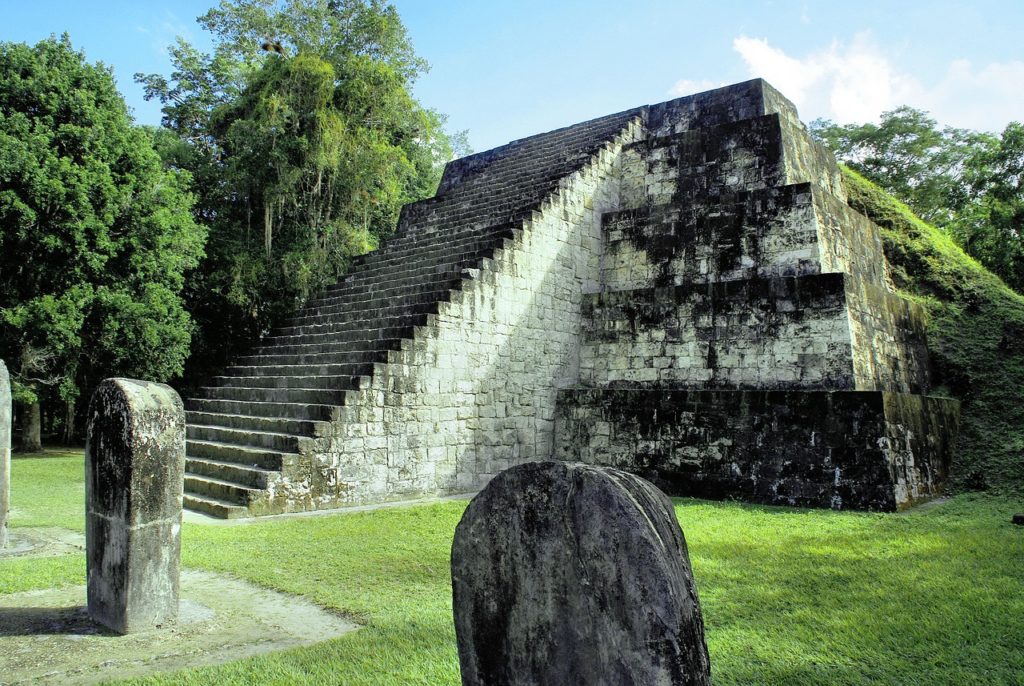
Tikal, Guatemala
New York City, United States
Mexico City, Mexico
Quebec City, Canada
Havana, Cuba
Las Vegas, United States
Most Populated Cities
Mexico City, Mexico
New York, New York, USA
Los Angeles, California, USA
Toronto, Ontario, Canada
Chicago, Illinois, USA
Houston, Texas, USA
Havana, Cuba
Montreal, Quebec, Canada
Tijuana, B.C., Mexico
Phoenix, Arizona, USA
Where do you want to go?

Canada
Greenland

Caribbean

Mexico
Central America

United States
Where is it?