Oceania
Interesting Information
History & Culture
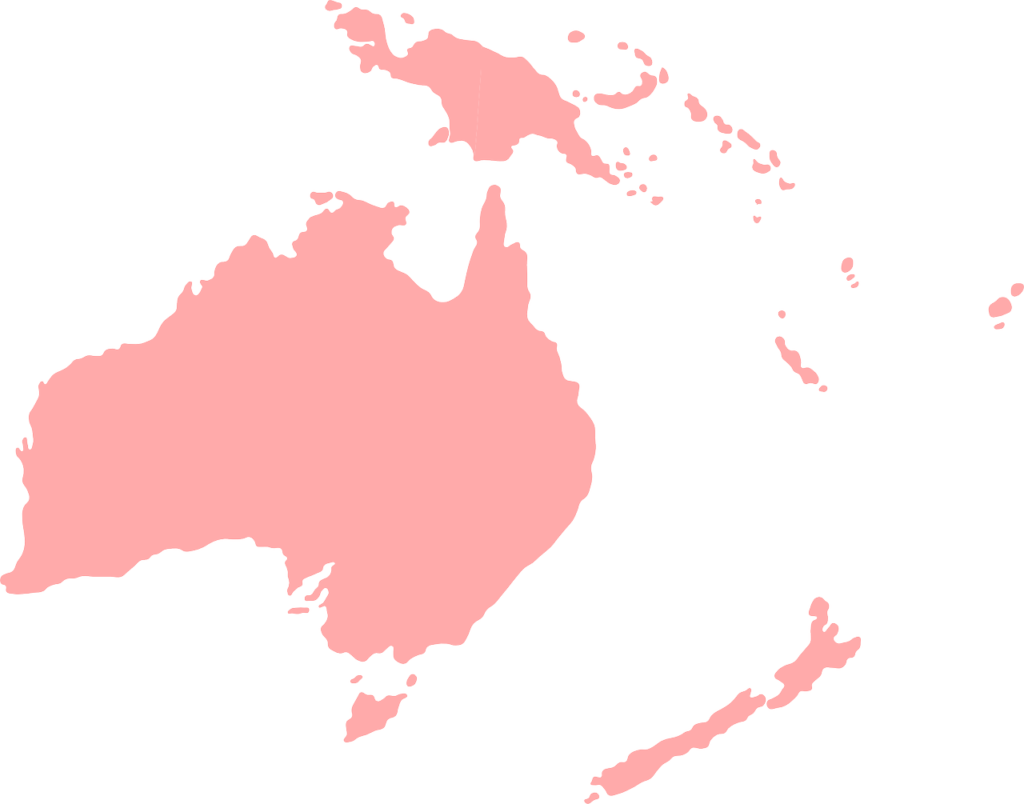
Oceania is a region made up of thousands of islands spread across the Pacific Ocean, including Australia, New Zealand, Papua New Guinea, and the many island nations of Polynesia, Micronesia, and Melanesia. Indigenous peoples such as the Aboriginal Australians, Māori of New Zealand, and Pacific Islanders developed rich traditions of navigation, storytelling, and art long before European contact.
European exploration began in the sixteenth century, followed by colonization in the eighteenth and nineteenth centuries by Britain, France, the Netherlands, and others. Australia and New Zealand became dominions of the British Empire, while many Pacific islands were used as trading posts and military bases. Today, Oceania blends Indigenous traditions with modern influences, celebrated in everything from the haka of New Zealand to the Dreamtime stories of Aboriginal Australians and the vibrant dances and festivals of the Pacific Islands.
Population & Language
Oceania has a population of about 44 million people, most of whom live in Australia, New Zealand, and Papua New Guinea. The smaller island nations, such as Fiji, Samoa, and Tonga, have far fewer residents but strong cultural traditions that remain central to community life.
English is the most widely spoken language, serving as the main language in Australia, New Zealand, and many Pacific nations. However, the region is remarkably diverse linguistically. Papua New Guinea alone is home to more than 800 Indigenous languages, and Polynesian languages such as Samoan, Tongan, and Hawaiian are vital in their homelands. Māori is an official language of New Zealand alongside English, and local languages are preserved across many island groups. Christianity is the dominant religion, but Indigenous customs and beliefs continue to shape daily life and cultural identity throughout the region.
Geography & Climate
Oceania covers a vast area of the Pacific Ocean, made up of thousands of islands along with the large landmasses of Australia and New Zealand. Its landscapes include Australia’s deserts, tropical coasts, and the Great Barrier Reef, New Zealand’s mountains and fjords, the volcanic islands of Polynesia, and the rainforests of Papua New Guinea. This variety of environments gives Oceania some of the most unique ecosystems in the world.
The climate is equally diverse. Much of Australia is arid, though its coastal areas are temperate or tropical. New Zealand enjoys a temperate maritime climate with mild winters and warm summers. The Pacific islands generally experience tropical conditions with consistent warmth, though they are vulnerable to cyclones and the effects of climate change. From deserts to coral reefs, Oceania’s geography and climate shape both the way of life and the challenges faced by its people.
Top Tourist Destinations
Great Barrier Reef, Australia
Sydney Opera House, Australia
Milford Sound, New Zealand
Bora Bora, French Polynesia
Uluru (Ayers Rock), Australia
Queenstown, New Zealand
Fiji Islands
Aitutaki Lagoon, Cook Islands
Tongariro National Park, New Zealand
Honolulu and Waikiki Beach, Hawaii, USA
Most Populated Cities
Sydney, Australia
Melbourne, Australia
Brisbane, Australia
Perth, Australia
Auckland, New Zealand
Adelaide, Australia
Honolulu, Hawaii, USA
Gold Coast, Australia
New Castle-Maitland, Australia
Canberra-Queanbeyan, Australia
Where do you want to go?
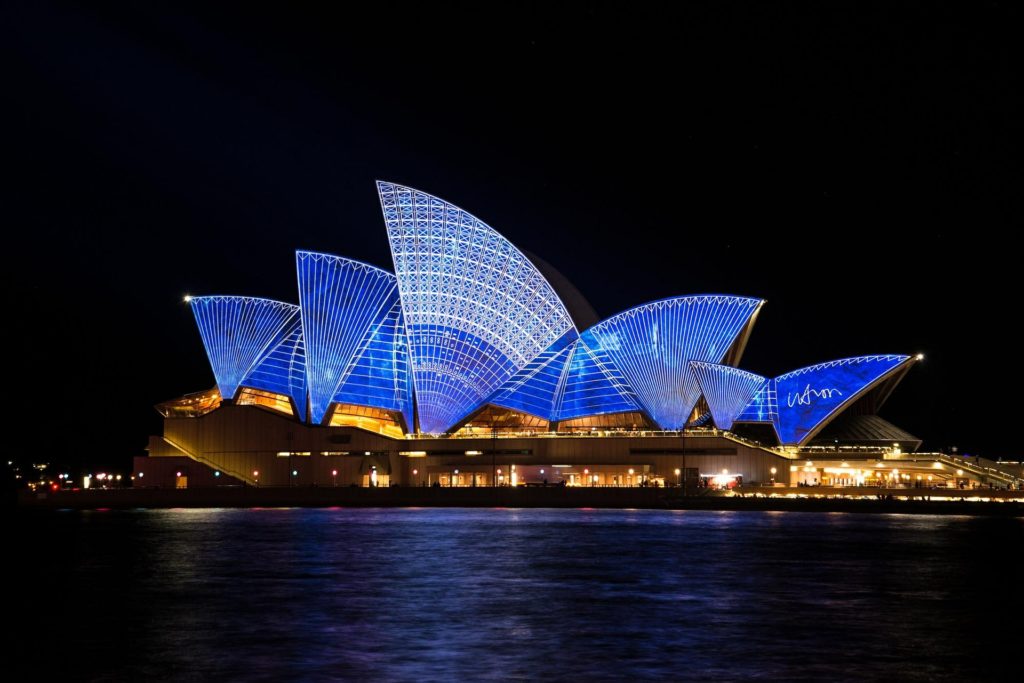
Australia
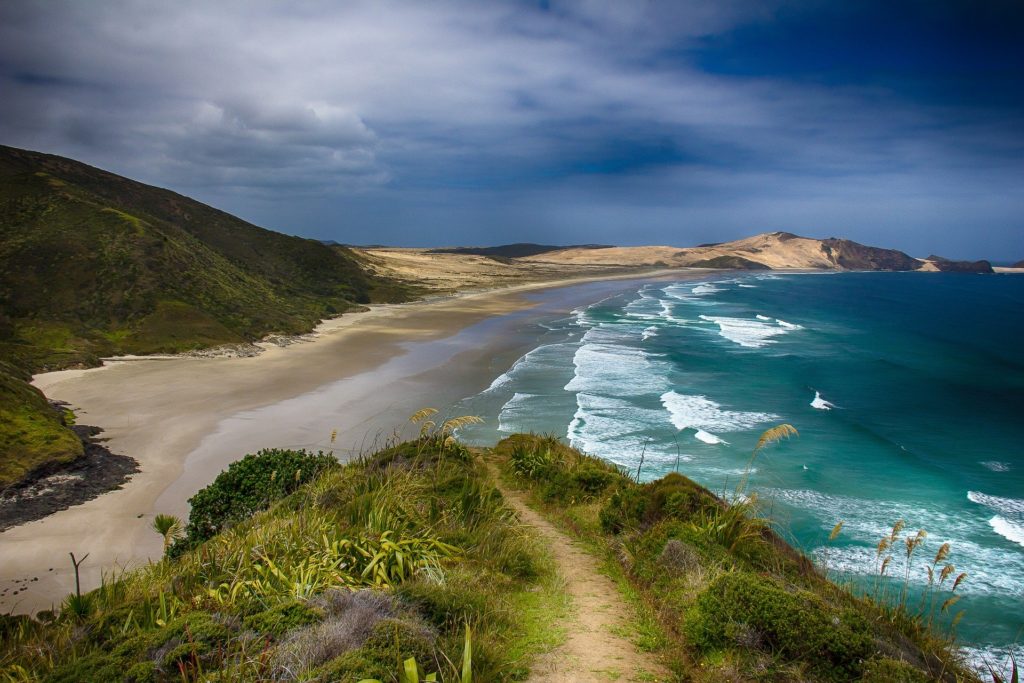
New Zealand

The Pacific Islands
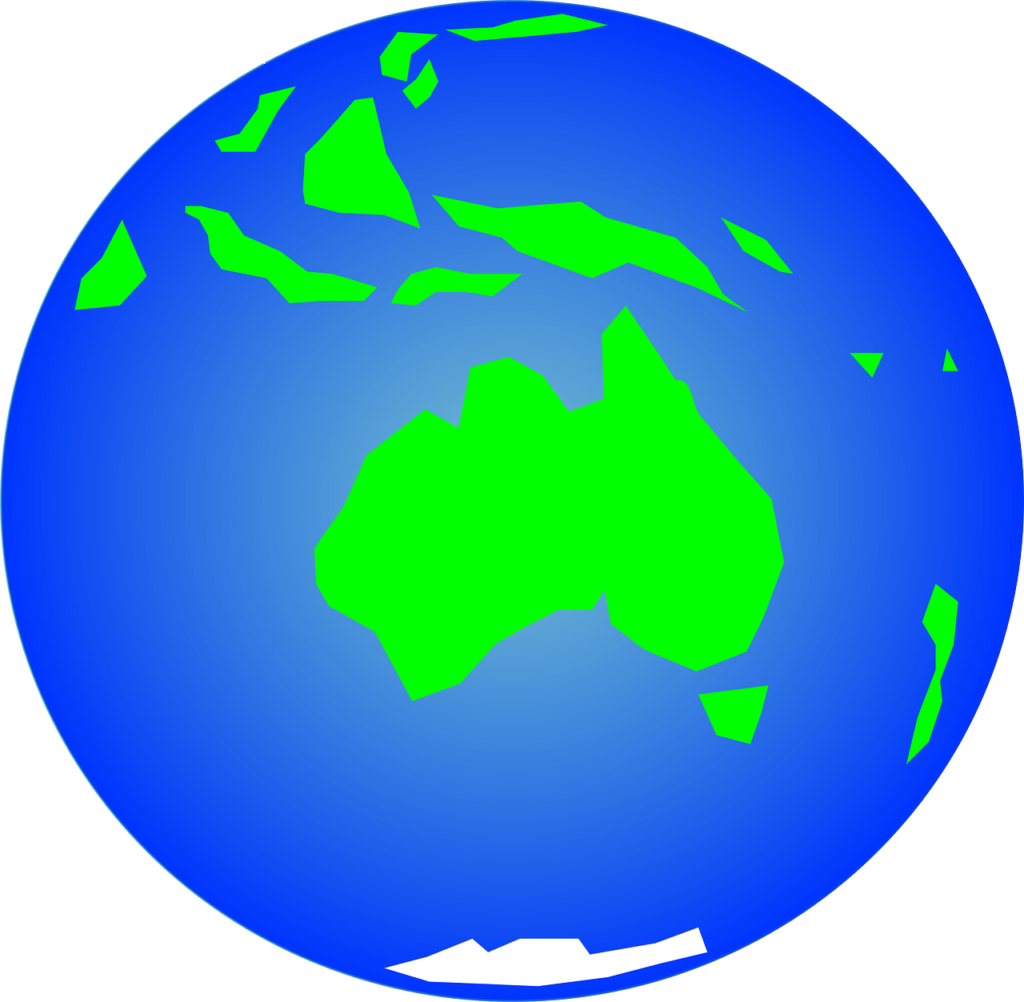
Where is it?