The Midwestern United States, often called the “Heartland of America,” is known for its fertile plains, Great Lakes, and role as an agricultural and industrial center. Native American tribes such as the Sioux, Ojibwe, Shawnee, and many others lived in the region for centuries before European contact.
French explorers first arrived in the 17th century, followed by the British and eventually American settlers. By the early 19th century, most of the Midwest had become part of the United States. Immigration from Germany, Scandinavia, and Eastern Europe strongly shaped the culture, traditions, and communities of the Midwest.
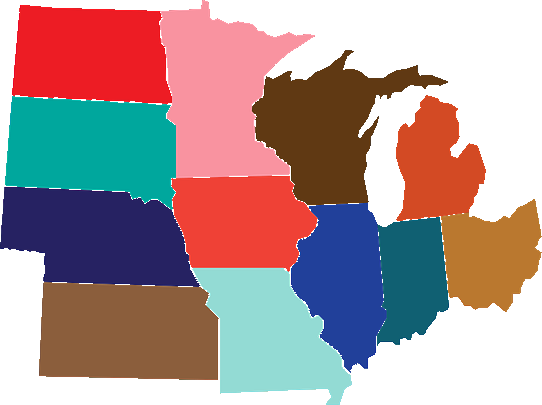
The states in this region are Illinois, Indiana, Iowa, Kansas, Michigan, Minnesota, Missouri, Nebraska, North Dakota, Ohio, South Dakota, and Wisconsin.
Population & Language
English is the primary language spoken in the Midwest, though communities with German, Scandinavian, and Eastern European roots have preserved aspects of their heritage, including language. Spanish has also become increasingly common.
The population of this area is approximately 69 million, about 21% of the U.S. population.
Geography & Climate
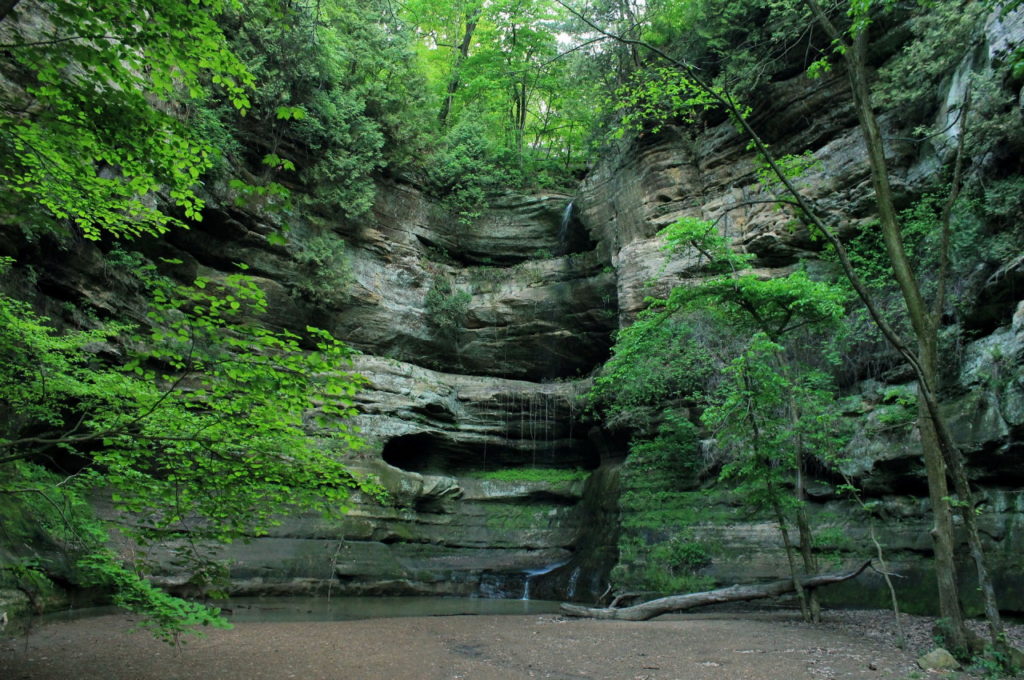
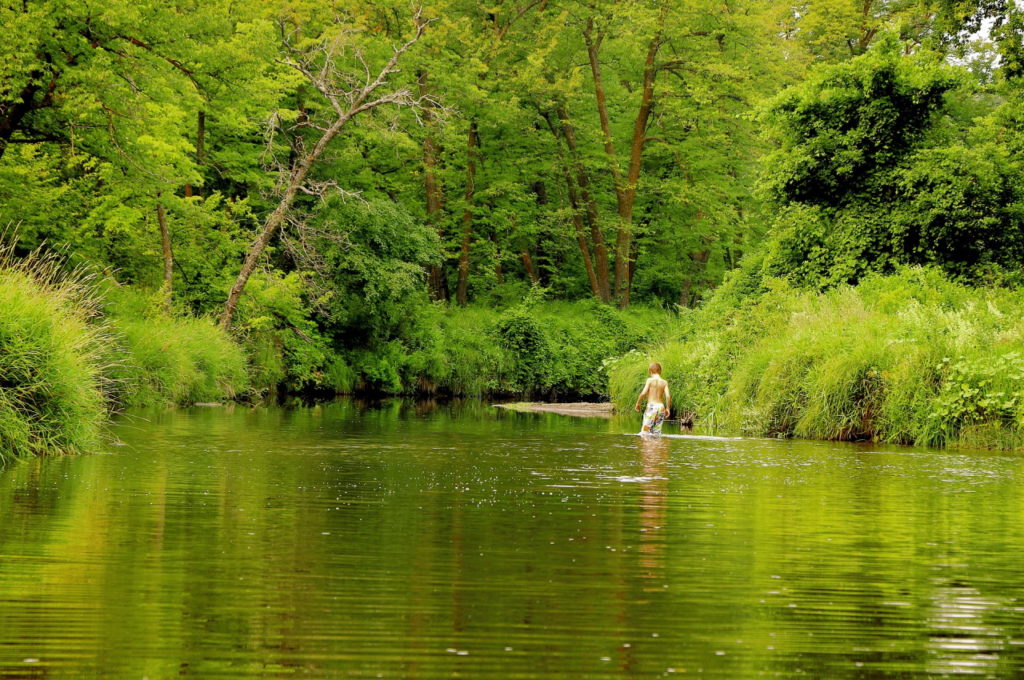
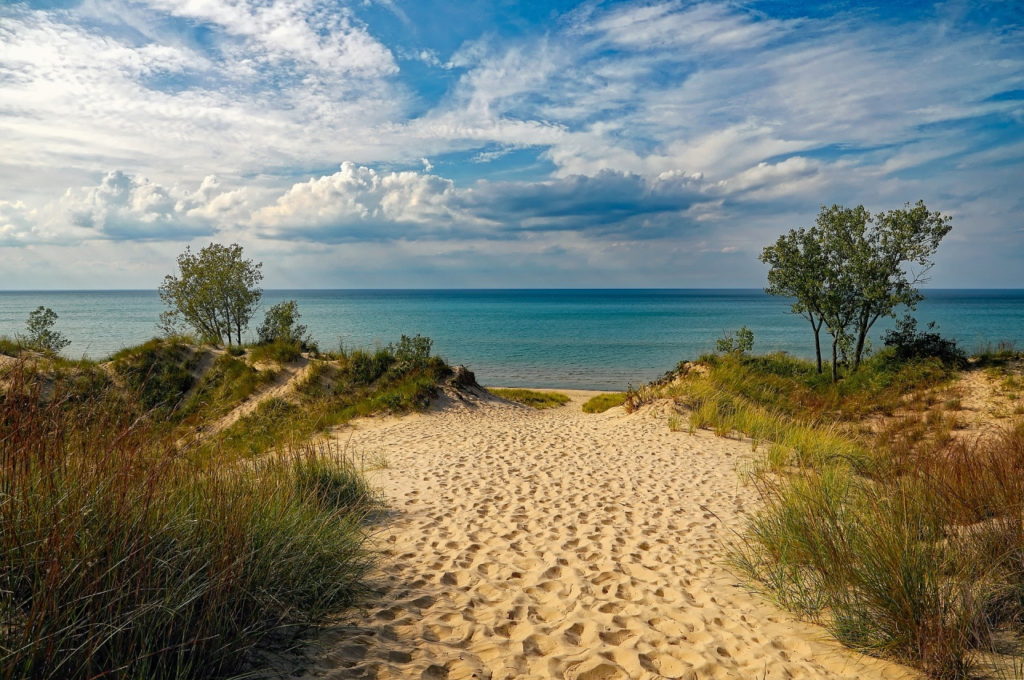
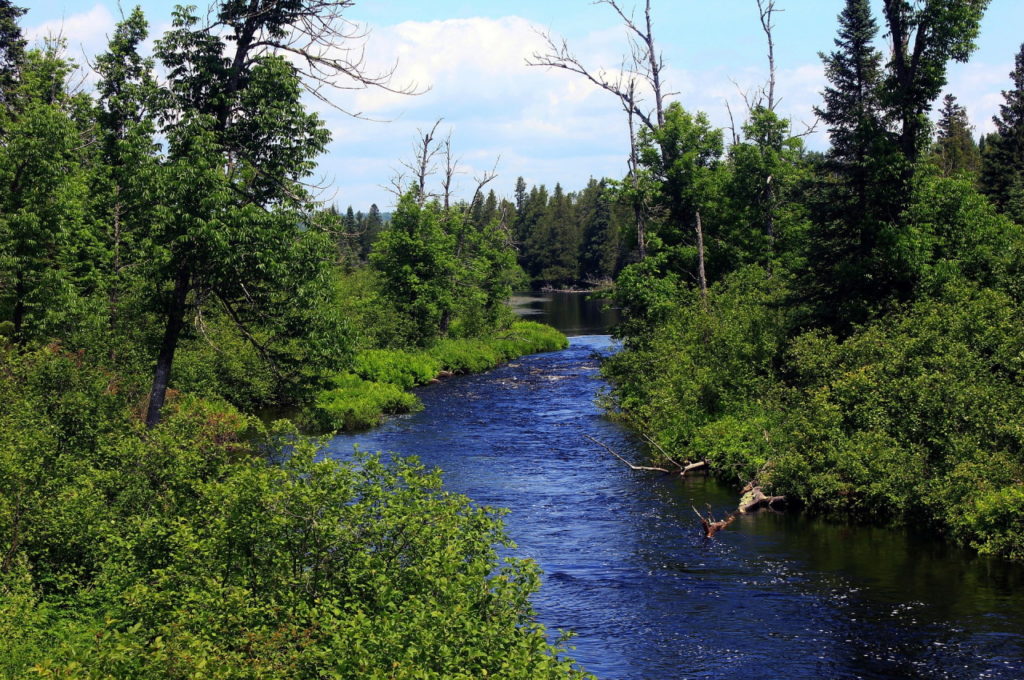
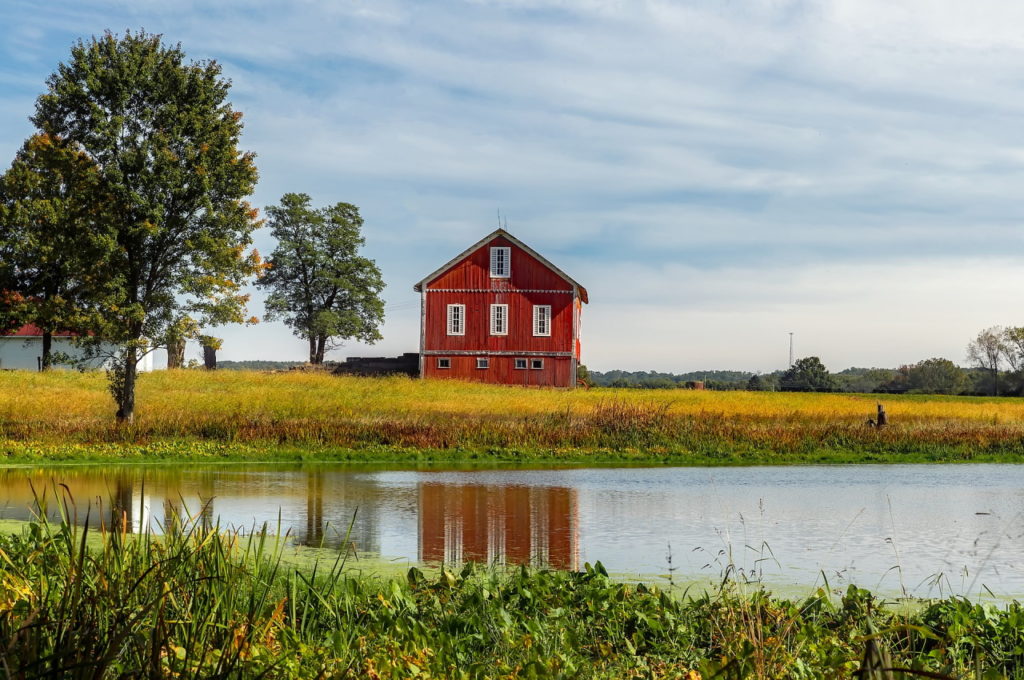
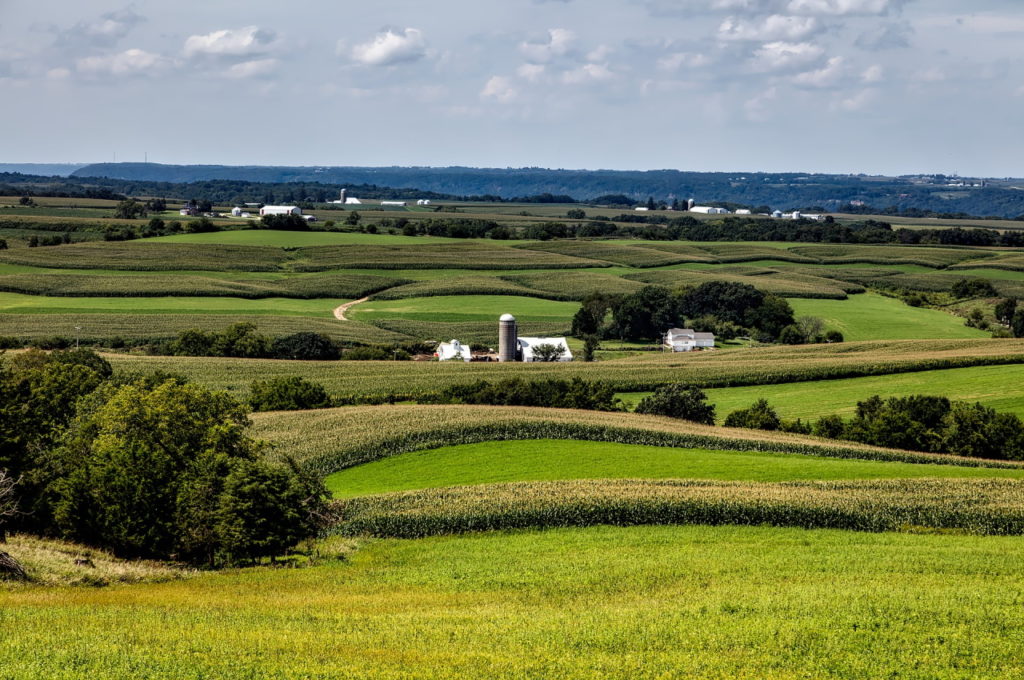
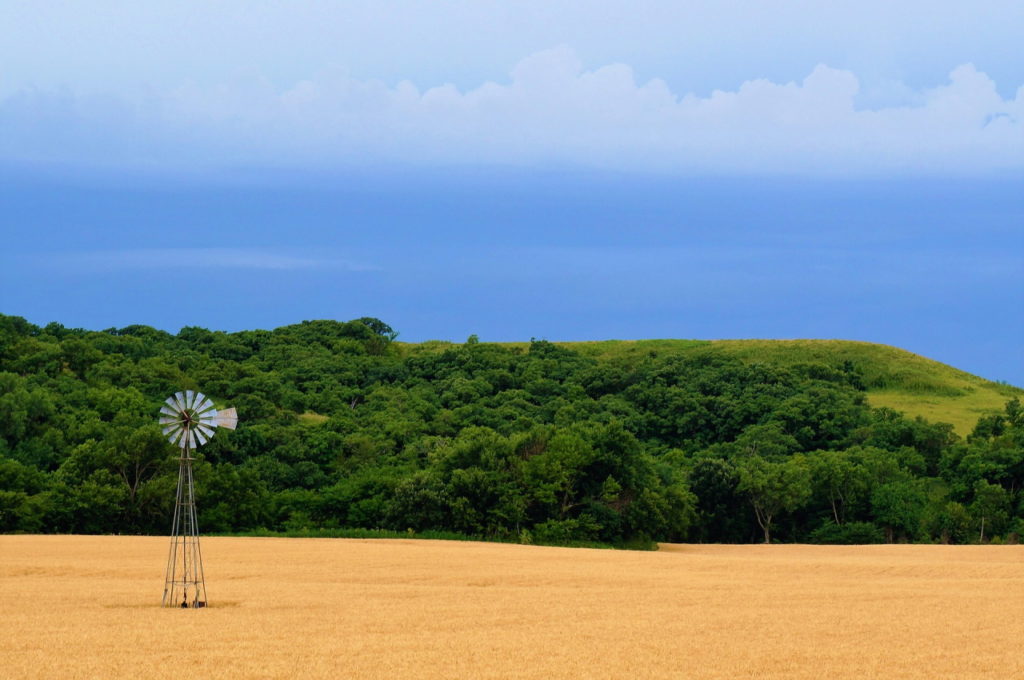
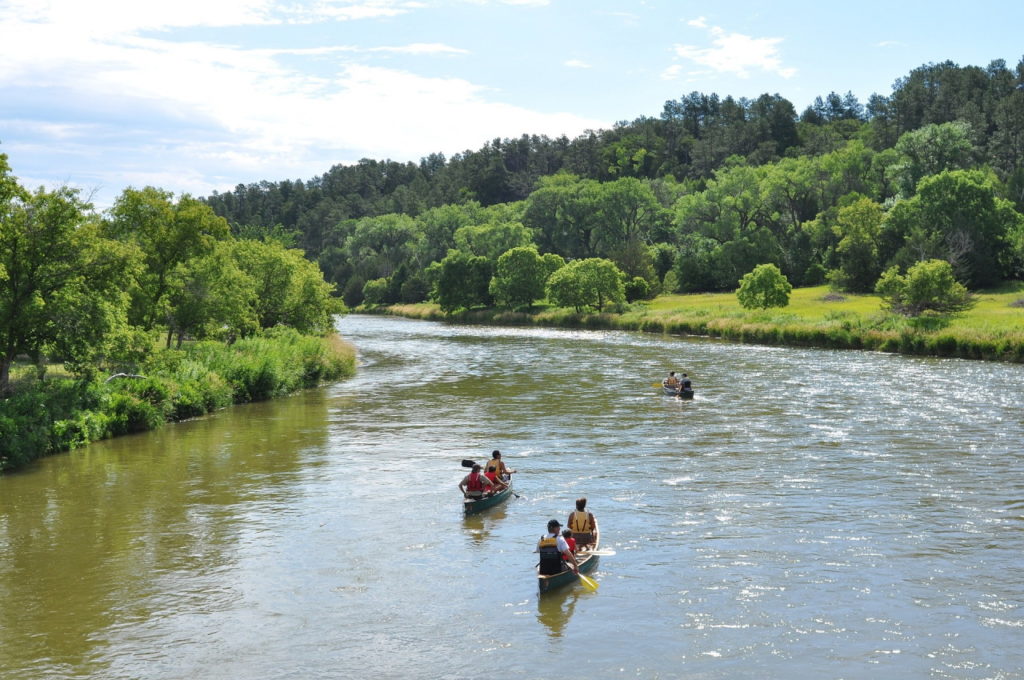
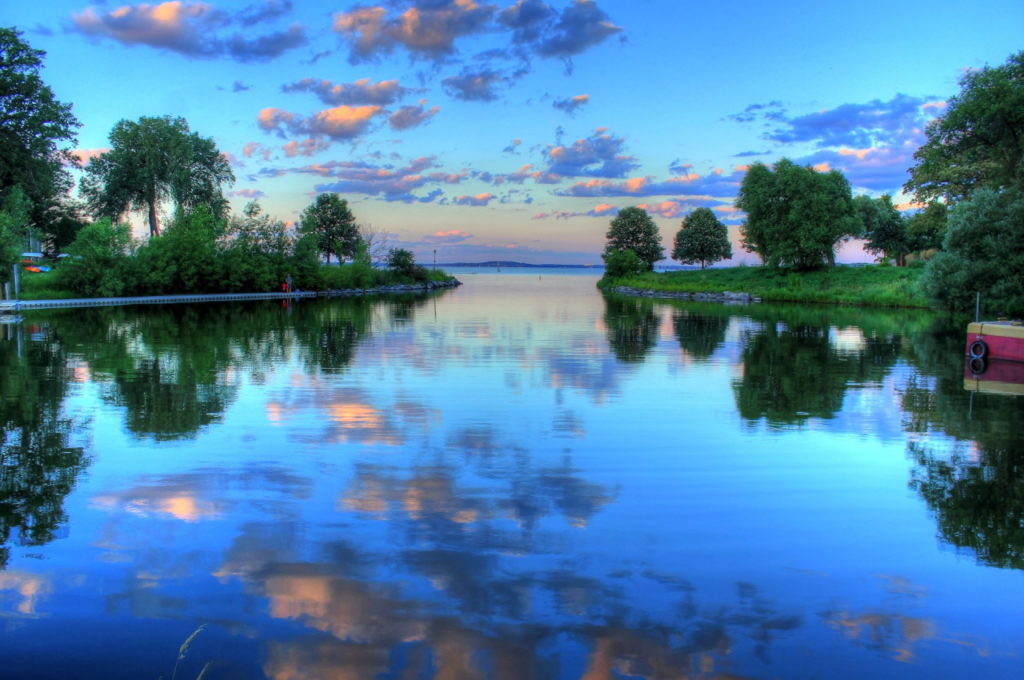
The Midwest is known for its plains, fertile farmland, and the Great Lakes. The climate varies from cold, snowy winters in the north to hot, humid summers. Severe weather, including tornadoes, is common in the central plains.
Top Tourist Destinations
Mount Rushmore
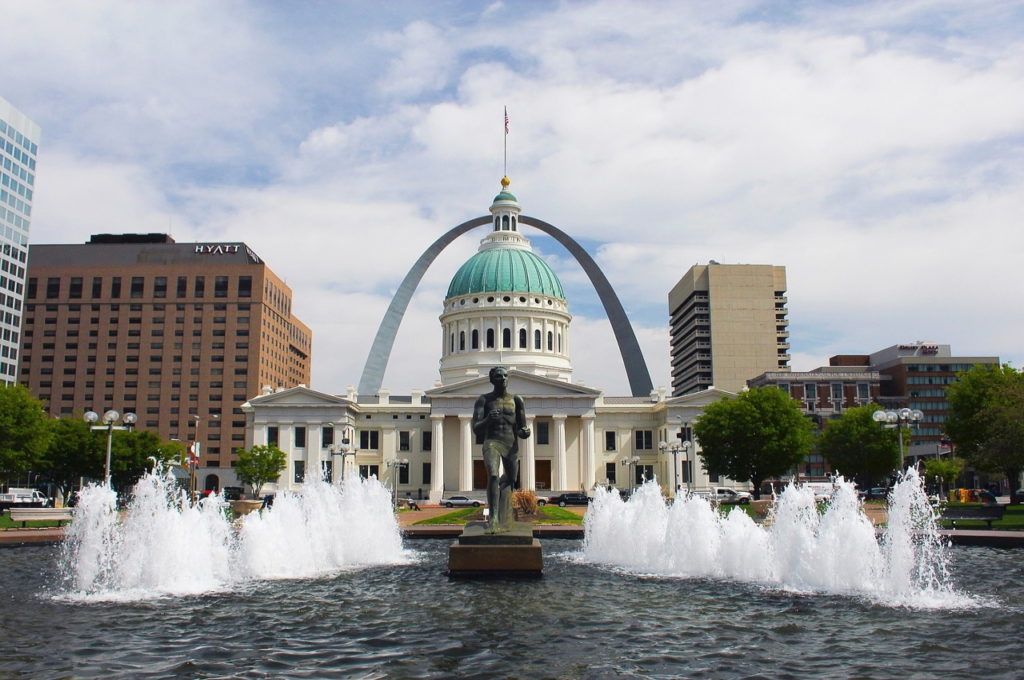
Gateway Arch
Chicago’s Navy Pier and Millennium Park
Mall of America
Rock and Roll Hall of Fame
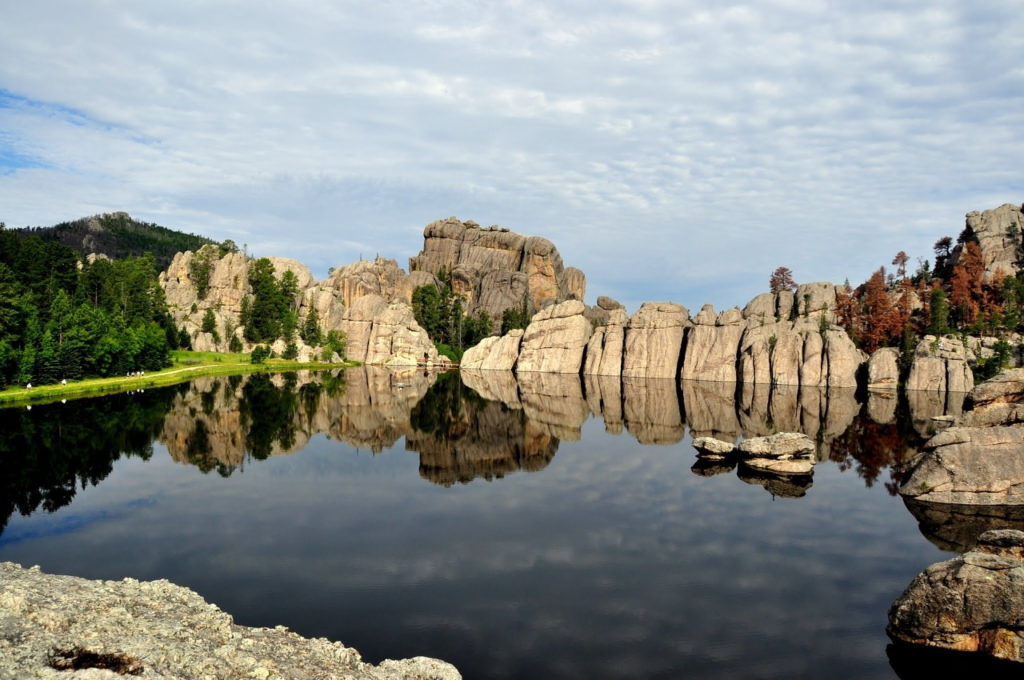
Badlands National Park